
By Aimee Lyons
Whether you’re planning a social celebration, nonprofit gathering, or team event, budget pressure is almost always part of the process. One of the biggest misconceptions in event planning is that memorable experiences require oversized budgets. In reality though, clear priorities and thoughtful planning usually matter much more.
Planning a group event requires balancing experience with cost. Without structure, expenses multiply quickly. The difference between a stressful event and a successful one usually comes down to disciplined budgeting and simplified decision-making.
At-a-Glance Priorities
Set your total budget before choosing anything else
Select venues that include some of the extras
Build your guest list around the actual goal of the event
Use digital tools to streamline communication
Simplify food and beverage options to control spending
Starting With a Clear Budget
Before researching venues or browsing décor ideas, determine your maximum spend. Break the total into categories such as venue, food and drinks, décor, entertainment, and contingency. Assign approximate percentages so no single area dominates.
Clarity at this stage prevents emotional overspending later. When you already know your limits, every decision becomes a matter of fit instead of impulse.
Reserve 5 to 10 percent as a cushion for unexpected adjustments.
Keeping the Guest List Focused
Guest count influences nearly every cost: catering, seating, space, and supplies. Instead of inviting broadly and trimming later, start with purpose.
Ask what the event is meant to accomplish. Is it about celebrating a milestone? Strengthening relationships? Bringing together collaborators? When the objective is clear, the invite list narrows naturally.
Smaller groups also create a more intentional atmosphere. Rather than stretching your budget thin, you can create something comfortable and memorable for everyone attending.
Choosing Cost-Effective Venues
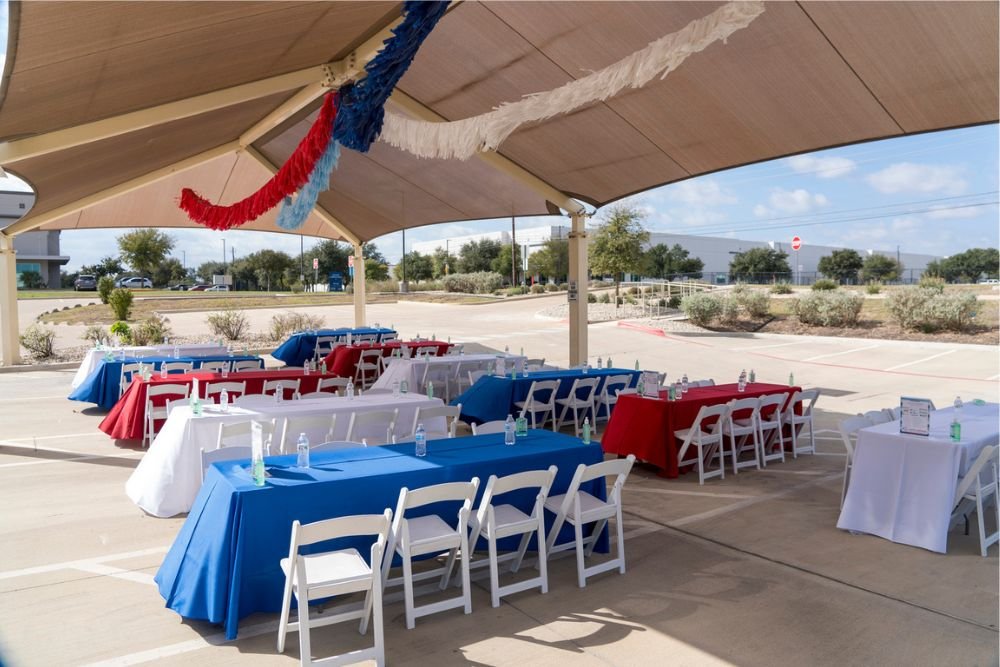
Traditional event spaces can consume a large portion of your budget. Consider alternatives such as parks, community centers, co-working spaces, or private homes. Many of these offer tables, chairs, or audiovisual equipment at little or no additional cost.
Timing can also reduce expenses. Weekday evenings or off-season dates often come with lower rental fees. Flexibility here can free up funds for other priorities.
Always confirm what is included in the rental agreement. Cleanup fees or equipment rentals can quickly offset apparent savings.
Simplifying Food and Drinks

Catering is another major expense category. Instead of full-service dining, consider structured but simple approaches.
You might choose:
Buffet-style service
Limited drink selections
A single signature beverage
Self-serve refreshment stations
Potluck contributions for casual gatherings
A smaller menu that’s done well usually feels more intentional than trying to offer too many choices. This approach also reduces waste and staffing needs.
If the event lasts several hours, serve food at one designated time instead of offering continuous refreshments.
Décor That Works With Your Budget
Décor sets the mood before guests even settle in, so keep it intentional and cohesive rather than elaborate. Start by defining the overall look you want to create, then choose colors, lighting, and table details that reinforce that direction.
Choosing a theme will make it easier to organize programming, food, décor, and other accessories. Once that direction is locked in, focus on a few strong visual elements instead of scattering attention across too many ideas. Lighting, linens, or a single focal point can often have more impact than filling a space with decorations. A clear aesthetic almost always feels more polished than excess décor.

Using Digital Invitations and Free Planning Tools
Printed invitations and mailed reminders add unnecessary costs. Digital invitations allow instant delivery, RSVP tracking, and easy updates if plans shift.
Shared spreadsheets or free project management apps help coordinate responsibilities and timelines without purchasing specialized software. Keeping communication centralized reduces confusion and prevents duplicated purchases.
Sample Budget Breakdown
Use a simple structure like this to maintain balance:
Venue: 30–40%
Food & Drinks: 25–35%
Décor & Supplies: 10–15%
Entertainment: 5–15%
Contingency: 5–10%
Adjust these ranges depending on the type of gathering, but avoid exceeding your original ceiling.
Step-by-Step Planning Framework
A clear sequence keeps planning manageable.
Define purpose and total budget
Draft a guest list aligned with that purpose
Secure a venue within your spending limits
Establish a cohesive concept
Finalize food and beverage plans
Send digital invitations and monitor RSVPs
Confirm logistics one week before the event
Following this order reduces backtracking and last-minute changes.
Smart Budget Event Planning FAQs
These answers address practical concerns when organizing a cost-conscious gathering.
-
Small events typically require four to six weeks of preparation. Longer gatherings may need several months, especially if booking popular venues. Early planning increases flexibility and pricing options.
-
Underestimating per-person food costs is a frequent issue. Even small increases multiply quickly as attendance grows. Confirm portions and pricing before finalizing your guest count.
-
Focus on intentional details rather than volume. A thoughtful menu, cohesive décor, and comfortable seating often matter more than elaborate extras. Simplicity executed well feels purposeful.
-
For intimate gatherings, managing tasks yourself is usually feasible. Larger or more complex events may benefit from selective professional support. Hiring help for key areas can prevent costly errors.
-
Build flexibility into your initial budget. A contingency fund allows adjustments without sacrificing core elements like venue or food. If needed, reduce non-essential extras rather than foundational components.
-
That depends on the event type. Collaborative workshops or shared experiences may justify contributions. For celebrations, scaling the event to fit your budget is typically the better approach.
Conclusion
Hosting a successful group event on a budget is less about cutting corners and more about making disciplined choices. When you define financial limits, focus your guest list, simplify food, and stay intentional with décor, planning becomes manageable. A clear plan reduces stress and helps you focus on the guest experience. With thoughtful preparation, you can create something memorable without overspending.
About the Author
Aimee Lyons loves DIY and spends every bit of her free time on pet projects, crafting, refurbishing furniture, remodeling rooms, and turning her yard into a landscaping masterpiece. She created DIY Darlin to share her DIY knowledge while also serving as a forum to learn from other DIYers.